
Basketball Card Appraisal
Every appraisal is handled personally, with care, clarity, and professional rigor — free from pressure or incentive — so clients can understand what they have, what it’s worth, and why it matters.
Expert Valuations for Your Basketball Card Collection
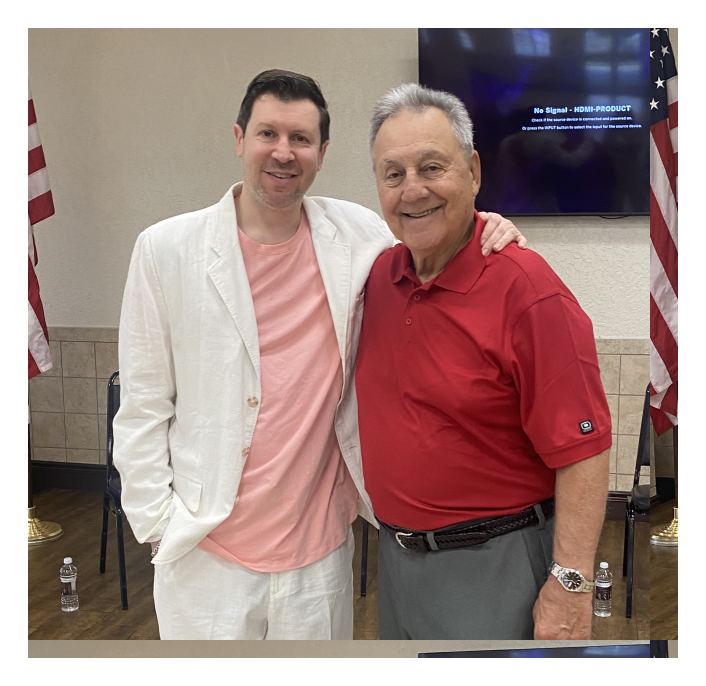
Michael Osacky
Whether it’s a Michael Jordan rookie, a rare low-population parallel that’s taken off in today’s market, or a complete run of early Topps basketball cards — when it’s time for a professional basketball card appraisal, you want one that’s thorough, independent, and dependable.
That’s where Baseball in the Attic comes in.
We provide standards-based basketball card valuation services accepted by attorneys, courts, the IRS, insurance carriers, auction houses, and museums. The practice is led by Michael Osacky — ISA-accredited, USPAP-compliant, and Lead Appraiser at PSA, the largest third-party authentication and grading company in the world.
Recent Valuations

Item
1986 Fleer #57 Michael Jordan Rookie
Type
Basketball Card
Year
1986
Appraisal Value:
$225,000

Item
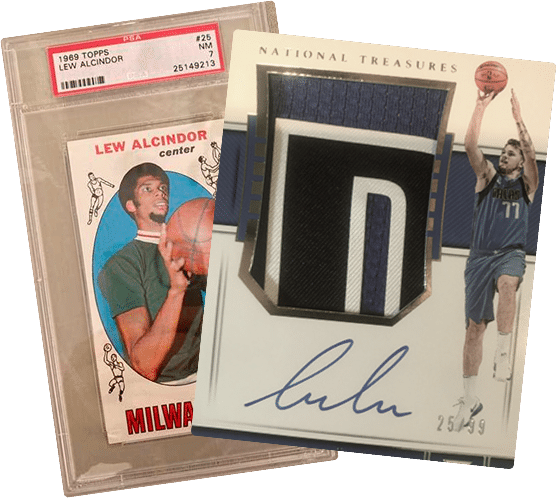
1969 Topps #25 Lew Alcindor PSA 7
Type
Basketball Card
Year
1969
Appraisal Value:
$4,000

Item
Panini Flawless Triple Logoman #TLM-JAE Jokic/Antetokounmpo/Embiid 1/1
Type
Basketball Card
Year
2022
Appraisal Value:
$100,000

Item
1957 Topps Basketball #77 Bill Russell PSA 5
Type
Basketball Card
Year
1957
Appraisal Value:
$6,500
Item
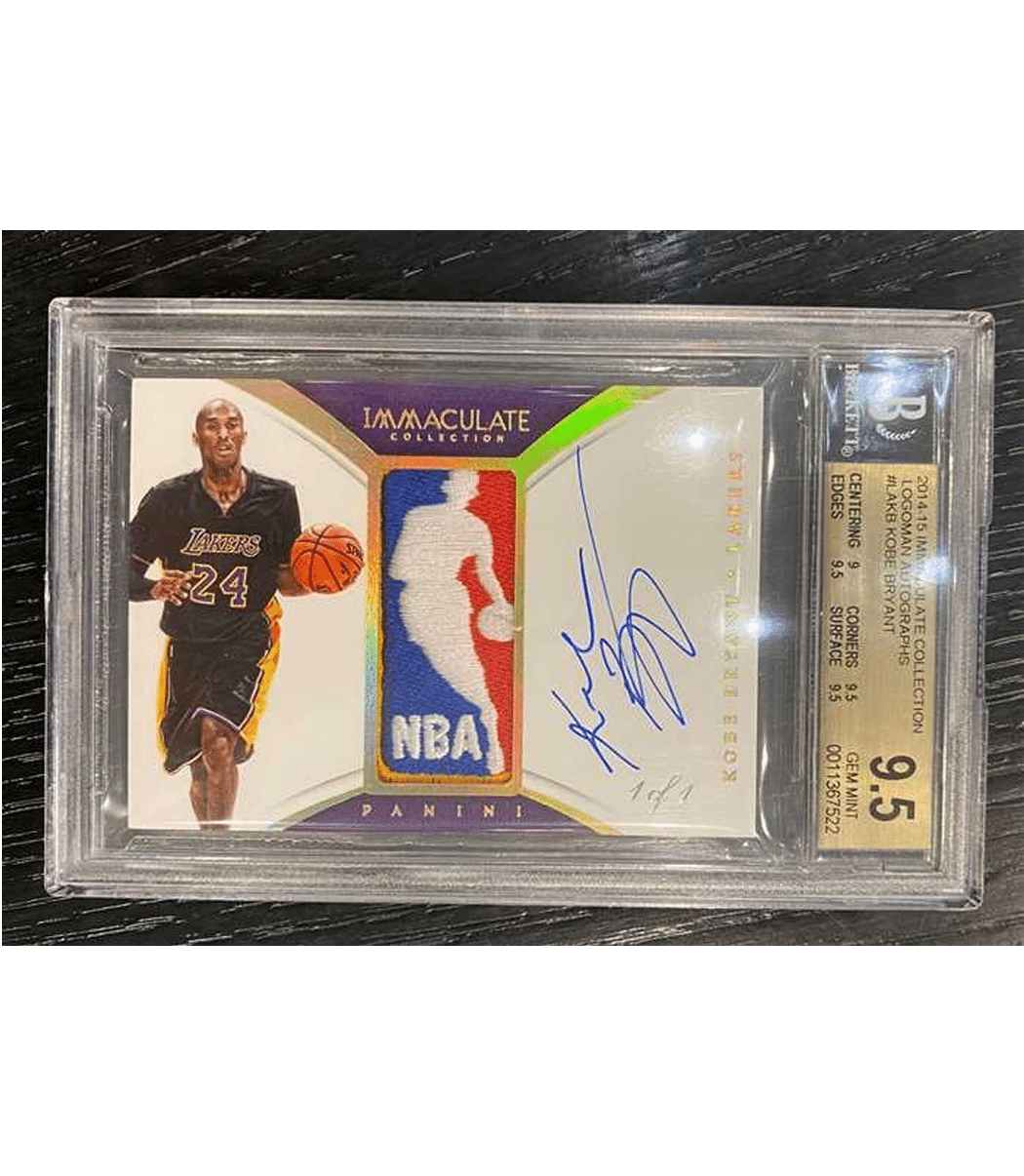
Immaculate Logoman Signed Kobe Bryant BGS 9.5 1/1
Type
Basketball Card
Year
2014-2015
Appraisal Value:
$500,000+
Valuations
Meet Michael, the
“Dean of Cracker Jack Baseball Cards”

Michael Osacky.
PSA’s Lead Appraiser, USPAP-compliant, Accredited Member of the International Society of Appraisers (ISA)
Michael Osacky’s love for the hobby began with a shoebox of baseball cards passed down from his grandfather — cards tucked away, saved carefully, and cherished long before anyone thought about market value. That early spark grew into decades spent immersed in sports history, handling rare collections, and understanding how condition, context, and provenance shape worth. Today, he is known as the “Dean of Cracker Jack Baseball Cards,” a title given by Forbes Magazine, and is arguably the world’s leading sports memorabilia appraiser.
The Appraisal Process
Step 1
Consultation & Scope Definition
The process begins with a conversation to define the purpose of the appraisal, such as insurance, estate planning, donation, or legal review. Relevant details and representative photos are reviewed to determine scope and complexity.
Step 2
In-Person Inspection
All inspections are conducted in person by Michael Osacky. Sports cards and sports memorabilia are personally examined to assess condition, authenticity, and valuation context, ensuring accuracy and defensibility consistent with professional standards.
Step 3
Formal Appraisal Report
A detailed, itemized report is prepared using documented market data, consistent methodology, and USPAP-compliant standards. The final appraisal is structured for review by attorneys, financial advisors, insurers, or the court.
Why Choose Our Basketball Card
Appraisal Service?
Independent, standards-based basketball card valuation services led personally by Michael Osacky.
Accredited & Standards-Based
Every basketball card appraisal adheres to USPAP and nationally recognized standards accepted by attorneys, courts, the IRS, insurance carriers, auction houses, and institutions.
Nationally Recognized Expertise
As Lead Appraiser at PSA, Michael brings decades of experience in basketball card grading, vintage basketball cards, and high-value collectible material across eras — from early Topps and Fleer issues to modern rare NBA cards.
Direct, Conflict-Free Evaluation
Each NBA card value determination is completed personally. There is no sales incentive, no consignment agenda, and no transactional pressure — only independent, research-based basketball card valuation.
Our Appraisal Services: What We Evaluate
Baseball in the Attic provides professional appraisal services focused on vintage basketball cards and modern NBA issues. Michael Osacky personally handles each appraisal — whether evaluating a single high-value card or reviewing a multi-generation collection.
As Seen In





















Who We Serve: Tailored Appraisal Services for Every Collection
Baseball in the Attic works with people facing important decisions around basketball card collections — from inheritance and insurance to legal matters and long-term planning.
What Our Clients Are Saying

It was a pleasure to work with Michael. He is a gentleman. His knowledge of the players and their cards is extraordinary. I highly recommend him.
Peter H., retired lawyer, Connecticut
There is no one like Michael Osacky. Not only do I have a complete record of every item, but I also have an identifiable index with descriptions and appraised values that can be forwarded to insurance companies.
Andy H., Los Angeles, CA
Michael appraised my dad’s Yankees signed baseball collection—extremely valuable not only monetarily but for its many memories and family connections. I’m happy I trusted Michael and am thoroughly satisfied with his work. A pleasure to work with and highly recommended.
Ed H., New York City
Michael is a true professional who delivers detailed, timely reports that help clients value their collections. His expertise in sports cards and memorabilia stands out. I highly recommend Michael.
Corey B., Business Manager, Los Angeles
Michael’s approach is friendly and professional, and his written explanation of how he conducts his appraisal is quite detailed and impressive. It was a pleasure to work with Michael, and I endorse him with great confidence.
John A., Boston
In a hobby full of proverbial minefields, I always exercised caution when dealing with new people. Luckily, Michael is one of the hobby’s most knowledgeable and trustworthy professionals. He is proficient, pleasant to work with, and very communicative.
Lou F., Baltimore, Maryland
My father is the late Charlie O. Finley. My family’s memorabilia needed to be insured. Michael Osacky came highly recommended. He was honest, knowledgeable and thorough with his appraisal. I would use him again.
Marty F., Indiana
Michael helped me to authenticate and appraise a Babe Ruth autograph that has been passed down through my family and holds great personal importance. Michael went above and beyond, recommending a restoration expert and then working with me to appraise the item. I could not be happier!
Shauna M., Rhode Island
Michael completed an appraisal of a premium box suite at MetLife Stadium for donation purposes. Throughout the entire process, he demonstrated exceptional professionalism, technical expertise, and a strong commitment to accuracy. I confidently recommend Michael for any future appraisal assignments involving premium event spaces, hospitality suites, or similar assets.
Sean B., Princeton, New Jersey
Michael did a great job reviewing my card collection, which is primarily baseball-focused, with an emphasis on early Detroit cards. His follow-up investigation and subsequent appraisal report were amazing.
Bob, Michigan
What Determines Basketball Card Value?
Basketball card value comes down to the same questions every buyer and collector asks: who is on the card, when and by whom it was made, how many exist, and what condition it is in. A professional basketball card appraisal weighs each of these against recent auction results and private sales.
- The player: Hall of Famers and all-time greats such as Michael Jordan, Kobe Bryant, LeBron James and Bill Russell anchor the market, and Lakers and Bulls legends carry especially strong demand. In the modern market, demand centers on scarce, high-end cards such as low-numbered autographs and one-of-one patch cards.
- Rookie cards: a player’s rookie card is usually his most valuable card. Examples include the 1986 Fleer Michael Jordan rookie, the 1996-97 Topps and Topps Chrome Kobe Bryant rookies, the 2003-04 Topps Chrome LeBron James rookie and the 1989-90 NBA Hoops David Robinson rookie.
- Manufacturer and set: early Bowman and Topps basketball cards, Fleer issues of the 1980s, NBA Hoops and Upper Deck from the 1990s, and modern Panini Prizm, National Treasures, Immaculate and Flawless each carry different premiums.
- Grade and condition: centering, corners, edges and surface determine the grade from PSA, BGS or SGC. A single grade point on a key rookie card can change its price dramatically.
- Scarcity and extras: serial-numbered parallels, autographs, patch cards, Logoman cards (built around the NBA logo patch from a player’s jersey) and other one-of-one cards are far rarer than base cards, and unopened basketball wax boxes from key years can carry significant value on their own.
Using eBay and Auction Results Carefully
Many collectors start by searching eBay. Sold listings, not asking prices, show what a buyer actually paid, but they still need to be matched to the same card, grade and parallel. Hot cards can rise and fall quickly with a player’s season, so a sale price from a few months ago may no longer reflect the market. A formal basketball card appraisal looks past the noise of the latest sale to document a supportable value.
Where to Get Basketball Cards Appraised
If you are deciding where to get basketball cards appraised, look for an independent appraiser with no sales incentive and no consignment agenda. Dealers and auction houses may offer free estimates, but their goal is often to buy your collection or take it on consignment. Baseball in the Attic provides formal, USPAP-compliant appraisals with no conflict of interest, whether you plan to keep, insure, donate or eventually sell your cards.
Many collections include more than basketball. The same appraisal can cover baseball and football cards, along with autographs and sports memorabilia, so the whole collection is documented in one report.