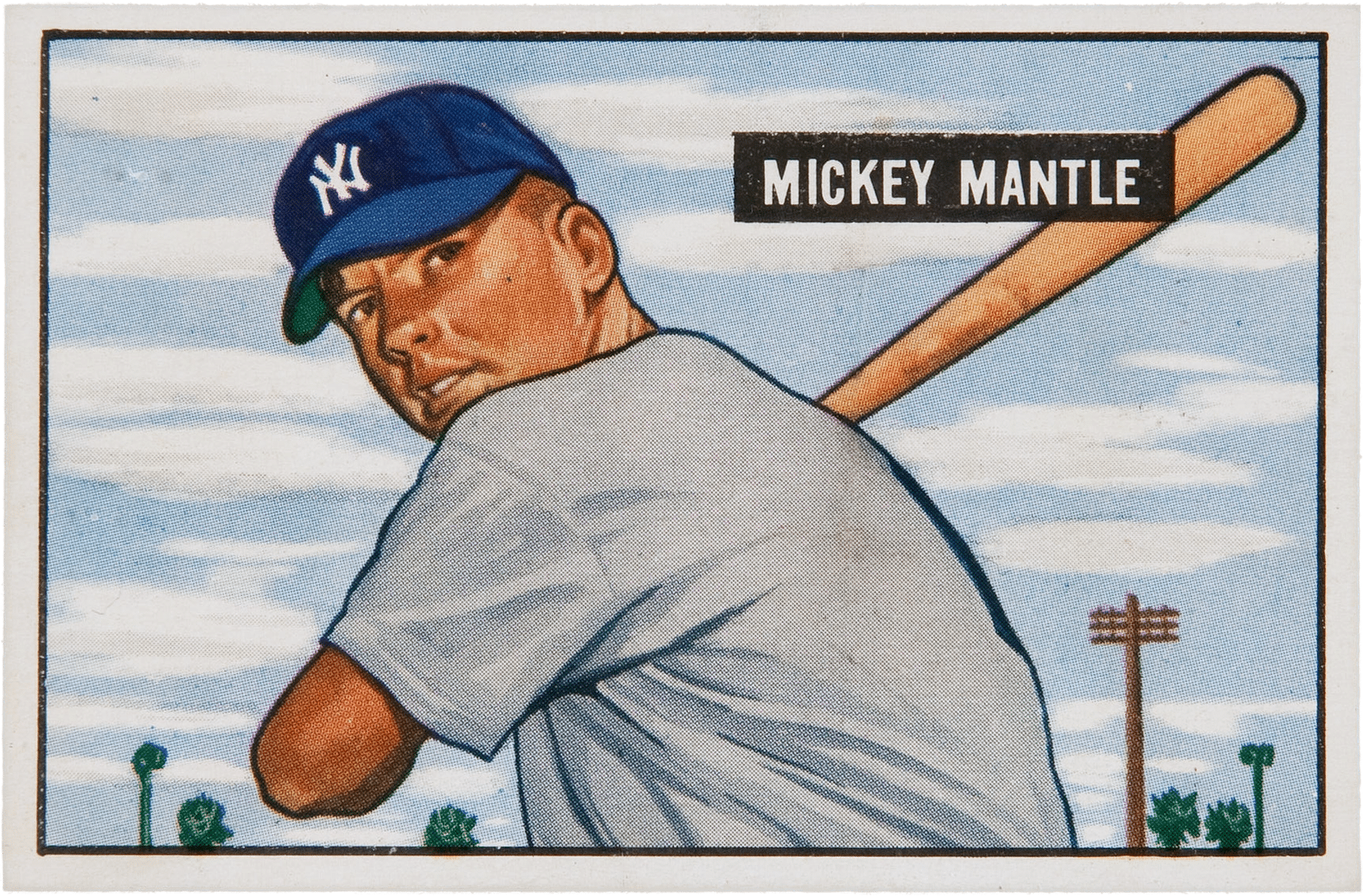
Estate planning appraisals for sports cards/ memorabilia are often emotional, confusing, and high-stakes. In many cases, inherited baseball cards can be worth more than the entire home they are housed in!
Since 2020, the values of sports collectibles have outpaced the overall stock market S&P 500, according to Sports Illustrated. This means an estate planning appraisal involving sports cards and memorabilia can carry significant financial and legal stakes. It’s imperative to be proactive.
Too often, somebody will die, and the spouse, children, and friends have no idea what the values are for the collection, causing confusion that often leads to disputes. Estate planning that considers your collection while you are still living will help everybody and save you money.
This guide will walk you through the key estate planning appraisal considerations for sports card and memorabilia collections, including documentation, appraisals, tax implications, and strategies for protecting and transferring your collection.
Why Sports Cards and Memorabilia Should Be Part of Estate Appraisals
Sports card and memorabilia collections can represent significant financial and sentimental value, making them an important asset to include in any estate plan. Like real estate, investment accounts, and other valuable real property, sports collectibles may be subject to wills, trusts, probate proceedings, and estate tax considerations. Proper planning helps ensure collections are accurately documented, professionally appraised, and transferred according to the owner’s wishes.
What Happens if There Is No Estate Plan?
Probate is one of the biggest issues that can occur when there is no estate plan and no appraisal. It can be a time-consuming and expensive process involving attorneys, courts, and administrative fees. Additionally, the collection may not be sold in the right venue or at the right time, resulting in lower returns for the estate.
When an estate is being settled, there are often many cooks in the kitchen. Some have good intentions, and others do not. Without written documentation of inventory and values, disagreements can quickly arise. When families fight, lawyers tend to make a lot of money. In some cases, valuable cards and memorabilia are sold quickly at below-market prices simply because nobody knows what they are worth.
To prevent this, start thinking about your estate plan today.
Why Documentation Matters
Valuable collections can create confusion, disputes, tax issues, and headaches if they are not formally documented and planned for in advance. Nobody wants their collection going through probate or being subject to the IRS. Therefore, being proactive can help eliminate these headaches.
Organized records help families, attorneys, executors, and appraisers understand what exists in the collection and what may be valuable. Taking the time to document your collection now can save your family significant time, expense, and stress later. Here’s why:
- Without documentation, all parties are in the dark. Nobody wants to operate from this dark space.
- Organized documentation helps expedite the highly emotional and sometimes litigious process. Good documentation saves you money.
- Attorneys, estate planners, estate attorneys, and probate courts are very busy. If your collection is as organized as possible, there is a greater chance of a quicker conclusion, which also saves you money.
- If the appraisal is up to date, you will know which items are the most liquid and have the greatest value. This is important to understand how quickly you can sell something in order to, for example, raise funds for property taxes or an estate cleanout.
5 Steps to Prepare Your Sports Card and Memorabilia Collection for Estate Planning
The more organized your collection is today, the easier it will be for your family, attorney, executor, and appraiser to manage it in the future. The following appraisal process steps can help protect your collection, reduce confusion, and ensure it is properly documented, valued, and transferred.
1. Create a Detailed Inventory
Document individual cards, sets, and memorabilia items.
- For memorabilia, note whether items are signed or unsigned and game-used or non-game-used.
- For cards, record whether they are graded or ungraded, along with the grading company and grade when applicable.
A simple spreadsheet is often the best solution. Excel or Google Sheets are easy to maintain and share with family members, executors, attorneys, and appraisers.
2. Record Important Details and Provenance
In addition to creating an inventory, take time to document individual items with photos and relevant details. This information can help establish authenticity, condition, and value for heirs, executors, and appraisers.
- All Items: Include photos and detailed descriptions whenever possible. Record any known history, provenance, or documentation associated with the item.
- Championship Rings: Document the condition of each ring and note whether any diamonds or gemstones are original.
- Autographs: Record whether a Certificate of Authenticity (COA) exists for each item and identify the authentication company. Not all autograph authentication services carry the same credibility, so this information can be important when establishing value.
- Items You’re Unsure About: Document them anyway. Include photos and as much information as possible. Just because you can’t immediately identify an item or find information about it doesn’t mean it’s worthless.
3. Include Receipts and Purchase Records
If you have receipts, invoices, auction records, or purchase confirmations, include them with your collection records. Most collectors don’t retain documentation for every item, and that’s perfectly normal. However, any records you do have can help establish provenance and support future valuations.
4. Obtain a Formal Appraisal for Your Collection
A formal appraisal is the single most important thing you can do to protect your collection, your family, and your estate. Many estate planning attorneys recommend obtaining a professional appraisal for collections valued at $50,000 or more.
A qualified appraisal establishes fair market value and provides a credible, defensible record for estate planning, probate, and tax purposes. Without one, heirs may be left guessing, disputes can arise, and the IRS may begin asking questions that are difficult to answer. A professional appraisal helps ensure all assets in your collection have an accurate valuation.
These are family heirlooms and should be appraised by USPAP appraisers (Uniform Standards of Professional Appraisal Practice). USPAP professionals are credentialed and go through yearly education and training.
Baseball in the Attic is an independent sports memorabilia appraisal service for estate planning, probate, tax, and charitable donation purposes. Every appraisal is conducted personally by Michael Osacky and is backed by independent research, professional standards, and a commitment to objective valuations. Learn More →
5. Update Documentation, Inventory, and Appraisal Reports Every Three Years
Ensure that all documentation, inventory, and appraisal reports are completed and updated every three years. Just like the stock market or real estate market, the sports collectibles market is subject to wild price swings year to year. Like real estate appraisals, personal property appraisals should stay up to date.
Why Professional Appraisals Matter for Estate Planning
Professional appraisals by a certified appraiser matter because they provide the credible, defensible valuations required by attorneys, probate courts, and the IRS.
Researching prices on eBay, going to your local baseball card shop, or calling a friend who collects sports cards will not suffice in a court of law or with the IRS. A judge will not accept any of the above values as credible. Only USPAP-compliant appraisers can provide an acceptable, accurate appraisal report.
Why Sports Card and Sports Memorabilia Appraisals Should Be Independent
Independent appraisals matter because the appraiser’s only job is to determine an accurate and defensible value for the collection. Unlike auction houses, dealers, or potential buyers, an independent appraiser has no financial interest in acquiring, consigning, or selling the items being appraised.
Auction house estimates can differ significantly from those of an independent USPAP-compliant appraiser. In many cases, auction houses are focused on securing consignments and may provide quick estimates without conducting extensive research. An independent appraiser, on the other hand, performs a detailed valuation that may ultimately be scrutinized by attorneys, probate courts, the IRS, or even a judge.
Because independent appraisers may be required to defend their conclusions in a court of law, their valuations (the appraised value) must be supported by research and sound methodology. Most importantly, they have no conflicts of interest. They are not trying to buy the collection or persuade you to consign it. Their sole objective is to provide a professional, unbiased valuation based on the facts.
Understanding the Tax Implications of Inheriting Sports Memorabilia
When someone inherits a sports card or memorabilia collection, the IRS generally adjusts the collection’s tax basis to its fair market value on the date of the owner’s death. This is known as a “step-up in basis.”
This adjustment can significantly reduce or eliminate capital gains taxes on appreciation that occurred during the original owner’s lifetime. For example, if a baseball card was purchased for $1,000 and is worth $50,000 at the time of the owner’s death, the heir’s tax basis would generally be reset to $50,000 rather than the original $1,000 purchase price.
Because of this, obtaining an accurate, recent appraisal is critical for tax planning. If the collection was not appraised before the owner’s death, estate professionals will typically work with a qualified sports memorabilia appraiser to establish the collection’s fair market value.
*Michael is not a licensed tax advisor. Please check with your CPA in regard to your specific case.
How Sports Cards Are Valued for Tax Purposes
For estate planning and IRS purposes, sports cards and memorabilia are valued using Fair Market Value (FMV). FMV is the price a knowledgeable buyer would reasonably pay a knowledgeable seller in an open market transaction, with neither party being under pressure to buy or sell.
FMV is different from Retail Replacement Value (RRV), which is commonly used for insurance appraisals. Retail replacement values are typically higher because they reflect the cost of replacing an item after a loss. Insurance companies use these values to determine how much compensation a collector would need to replace a card or piece of memorabilia.
For estate planning, probate, and tax reporting, Fair Market Value is the standard used by the IRS and the courts. This is why it is important to work with a qualified appraiser who understands the differences between appraisal types and can provide the appropriate valuation for your specific needs.
Donation Appraisals and Charitable Giving
Donating sports cards or memorabilia can be an effective way to support a museum or institution while potentially reducing your taxable income. However, a formal appraisal is required to substantiate the value of the donation.
For donations valued above $5,000, a USPAP-compliant appraiser must complete and sign IRS Form 8283, which is then submitted to the donor’s CPA. A qualified appraisal helps establish fair market value and ensures the donation is properly documented for tax purposes.
One important reality collectors should understand: if you think your item will be displayed in a museum for your family to visit, you may be sorely mistaken. Museums have limited display space, and most of the items in their collections spend the majority of their time in storage, collecting dust. While charitable donations can provide meaningful tax benefits and preserve important pieces of sports history, public display is never guaranteed.
Work with Michael Osacky: Professional Sports Memorabilia Appraiser
The best time to determine what your collection is worth is before your family, attorney, executor, or the IRS has to figure it out for you. At Baseball in the Attic, we provide independent, USPAP-compliant appraisals for sports card and memorabilia collections involved in estate planning, probate, charitable donations, and tax matters. Our sole responsibility is to provide an objective, defensible valuation that helps protect your collection, your heirs, and your estate.