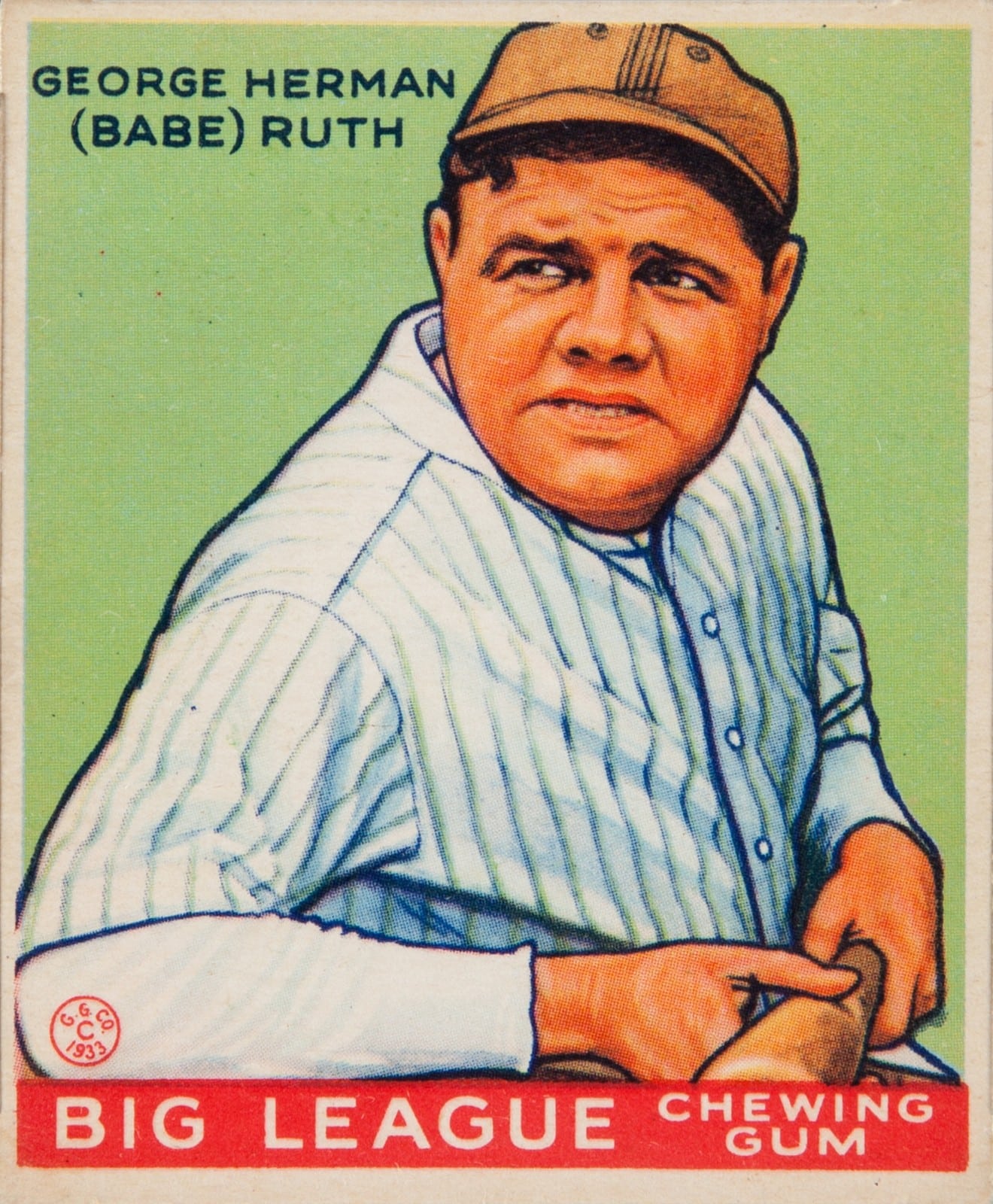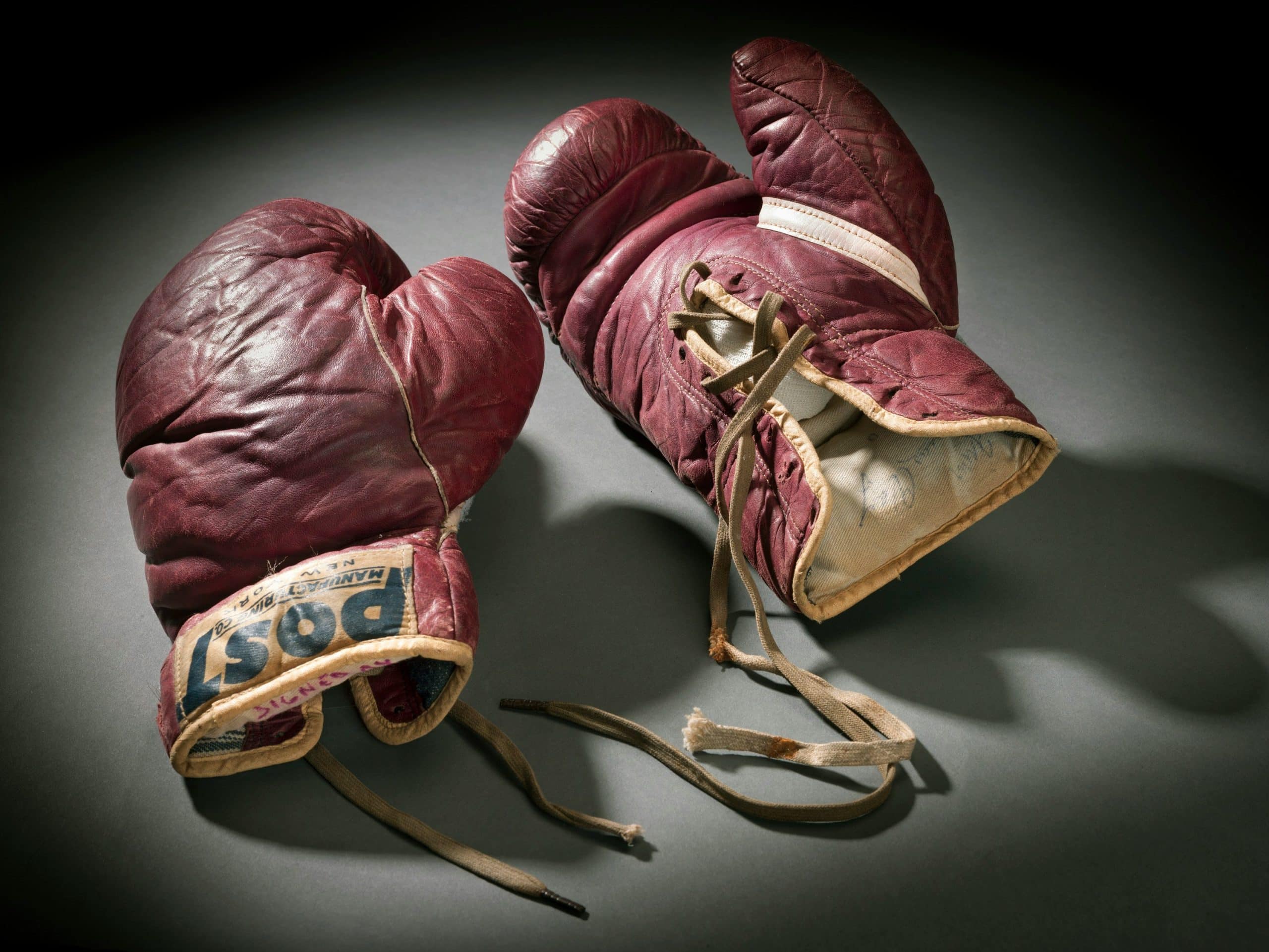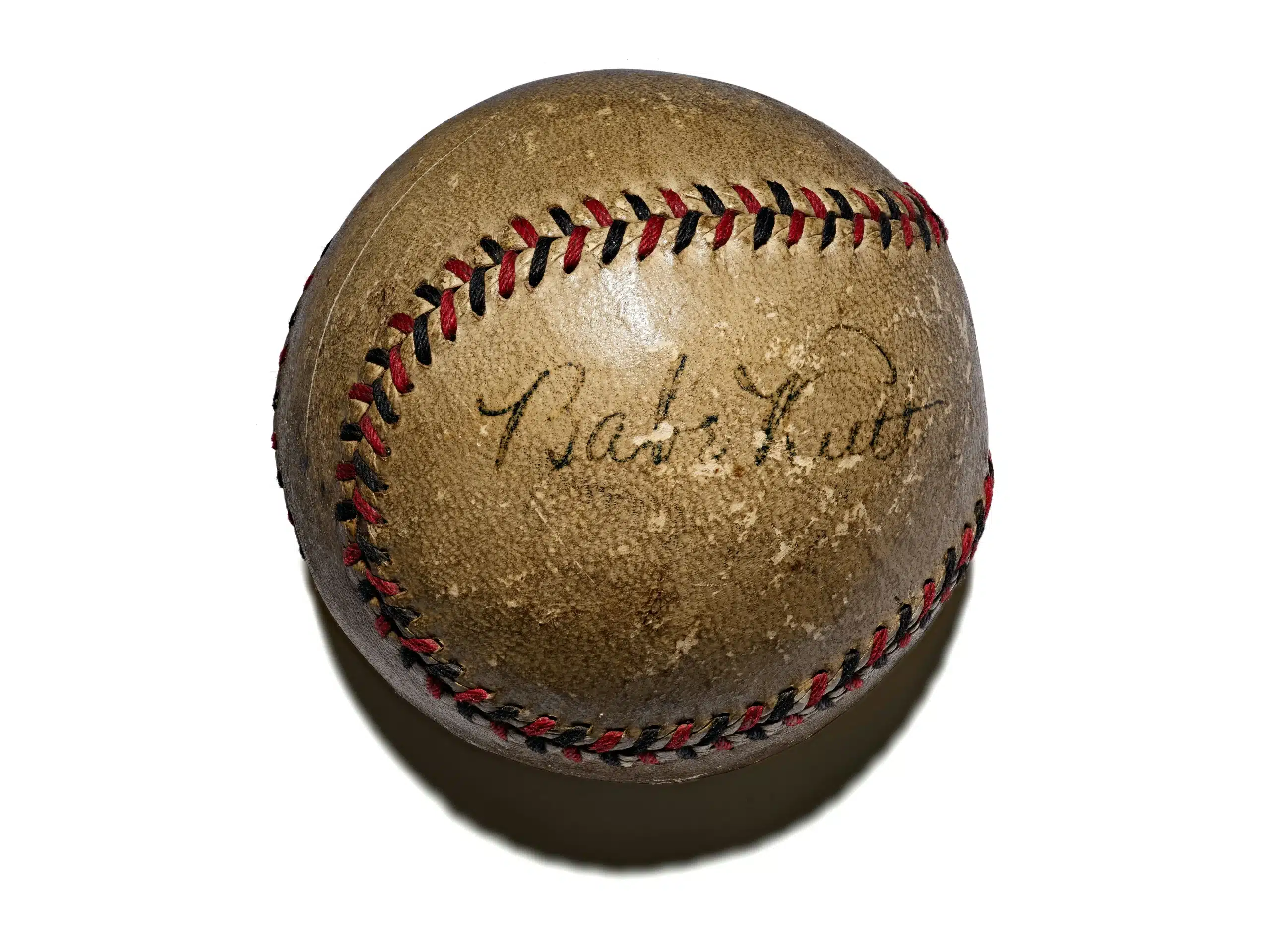
Donating sports cards and sports collectibles is an easy process IF you follow the correct steps and hire a USPAP-compliant appraiser.
This blog details the steps you need to take when you decide to donate your cherished baseball cards and memorabilia for a tax benefit. Surprise: Hiring a local card shop does not qualify you for the tax benefit/tax deduction. Local Baseball Card Shops are NOT USPAP-compliant and are not in the business of writing formal appraisal reports. If you are donating sports cards or want to know how to donate sports cards, this blog is for you.
3 Steps to Claim a Tax Deduction for Donated Sports Cards & Memorabilia
Not everybody wants to sell a baseball card collection or their World Series ring. Receiving a check is not something they are interested in. They would prefer their item(s) to be on display at a museum or enjoyed by others who don’t have the funds to acquire the sports card or signed hockey puck.
If you want to receive an income tax deduction for your charitable donation, there are specific IRS requirements you need to follow:
1. Get a formal appraisal report.
For noncash charitable donations above $5,000, the IRS requires a formal appraisal report from a qualified, USPAP-compliant appraiser. Baseball card shops, auction houses, and dealers are not USPAP-compliant.
2. Complete IRS Form 8283.
You will also need IRS Form 8283, signed by a qualified, USPAP-compliant appraiser. If you don’t have IRS Form 8283, or it’s signed by somebody the IRS does not recognize, you will not get the income tax deduction.
3. Establish fair market value (FMV).
The qualified appraiser must assign fair market value (FMV) to the donated sports cards or memorabilia. Fair market values are essentially auction values. The IRS requires the appraiser to use these values because it’s a donation appraisal.
The important takeaway: Donating a valuable sports collection involves more than finding a museum or charitable organization that wants it. If you want to receive the income tax deduction, you need to make sure the appraisal and required IRS documentation are handled correctly from the beginning.
What Is a Sports Card Appraisal & Why Do You Need One?
A qualified sports card appraisal is a formal, written report prepared by a USPAP-compliant appraiser who is competent in the specific type of property being appraised. USPAP stands for Uniform Standards of Professional Appraisal Practice, the professional standards that govern how appraisals are developed and reported.
That expertise matters. It’s a bad idea to hire a USPAP-compliant appraiser who specializes in fine art if you are trying to donate sports autographs or trading cards. You want an appraiser who understands sports collectibles and the market.
For a noncash charitable donation above $5,000, you will need a qualified appraisal to claim the tax deduction. However, it’s also important to weigh the cost of the appraisal against the amount of the deduction you may receive.
Before moving forward with a charitable donation, speak with your CPA to better understand the financial and tax implications.
Where Can You Donate Sports Memorabilia for a Tax Deduction?
Not every organization is recognized by the IRS as an eligible organization for charitable donations. For example, you can’t donate an item to a friend or to the company you work for if it isn’t registered as a nonprofit and expect to receive a charitable tax deduction.
Generally, 501(c)(3) organizations qualify for nonprofit status, and many museums operate as 501(c)(3) organizations. Always inquire about an organization’s tax-exempt status before starting the formal donation process. You can find information about an organization’s tax-exempt status and filings on the IRS website.
| Where You Donate | Qualifies for a Charitable Tax Deduction? |
|---|---|
| Qualified 501(c)(3) nonprofit organization | ✓ |
| Qualified nonprofit museum | ✓ |
| A friend or individual | ✕ |
| A for-profit company | ✕ |
| An organization that does not qualify for nonprofit status | ✕ |
Establish whether the organization qualifies for nonprofit status before paying for an appraisal.
You can hire a qualified, USPAP-compliant appraiser and complete the formal appraisal process, but if the organization receiving the donation is not eligible under IRS rules, you won’t qualify for the charitable tax deduction.
Before you donate: Confirm the organization’s tax status directly and make sure it can accept the type of sports cards or memorabilia you plan to donate.
Do You Need a Receipt to Donate Sports Memorabilia?
Many people donate something that has been passed down from a prior generation and do not have receipts. Receipts are generally worthless for the IRS and the qualified appraiser. However, it never hurts to keep them if you have them.
Here’s an example of when having a receipt can be helpful:
- The qualified appraiser appraises your donation item for $200,000.
- The IRS follows up and thinks the appraisal is incorrect.
- However, you have a receipt from a New York gallery showing that you purchased the item for $175,000 five years ago.
- The market has gone up since then, and you have proof of what the item sold for five years earlier.
In this situation, the IRS may not issue an audit because you have documentation supporting the history of the item and its value.
The important takeaway: If you don’t have a receipt because your sports cards or memorabilia were passed down from a prior generation, don’t worry. But if you do have receipts, keep them. They may be worthless for the appraisal itself, but they can still be helpful documentation later.
What Types of Sports Cards and Memorabilia Can You Donate?
Collectors can donate many different types of sports cards and memorabilia to a qualified nonprofit charity, provided the organization is willing to accept them. This can include:
- Vintage baseball cards and baseball card collections
- Basketball cards and basketball autographs
- Football cards
- Hockey cards
- Autographs and signed memorabilia
- Game-used balls, jerseys, hats, and other equipment
- Individual valuable cards or an entire card collection
- Championship Rings & Awards
You are not limited to donating an entire collection. Depending on the organization and your goals, you may choose to donate a single valuable card, several items, or a collection that has been assembled over many years.
Can You Donate Common Baseball Cards to Charity?
You can donate common cards, but that doesn’t necessarily mean it makes financial sense to obtain a formal appraisal. The value of the donated cards matters, particularly because a qualified appraisal comes at a cost.
If you have boxes of common cards mixed with potentially valuable cards, it may make sense to first understand what is actually in the collection. A local card shop may help you sort through common material, but remember: a local card shop cannot provide the qualified, USPAP-compliant appraisal required for a charitable deduction when one is required.
Work with Michael Osacky: Professional Sports Memorabilia Appraiser
Michael Osacky has more than 30 years of experience in the hobby and serves as the Lead Appraiser at PSA. As an ISA-accredited, USPAP-compliant appraiser specializing exclusively in sports, he frequently works with clients, including professional athletes, to appraise sports cards and memorabilia for donation purposes.
Considering donating sports cards or memorabilia? Contact Baseball in the Attic and start your appraisal today.