If you own sports cards, autographs, or memorabilia, you’ve probably heard the terms PSA authentication and PSA grading. They’re often used interchangeably, but they answer two very different questions.
PSA authentication is the industry-standard service for determining whether an autograph is genuine. PSA grading evaluates a card’s condition and assigns it a grade on a scale of 1 to 10 (1 being poor and 10 being Gem Mint).
What PSA Authentication Is
PSA Authentication is a verdict on an item’s genuineness only, specializing in autograph authentication. This is extremely important if you are trying to sell a sports trading card or memorabilia item. Both the buyer and seller should know if, for example, the autographs on signed items are authentic. However, this certificate of authenticity does not define the condition nor the value/price of the item.
What Authenticators Examine
Most autographs are fake. The combination of forgers, scammers, clubhouse employees and secretaries has inundated the hobby with bad autographs.
So how do you know if the autograph on your collectible is real?
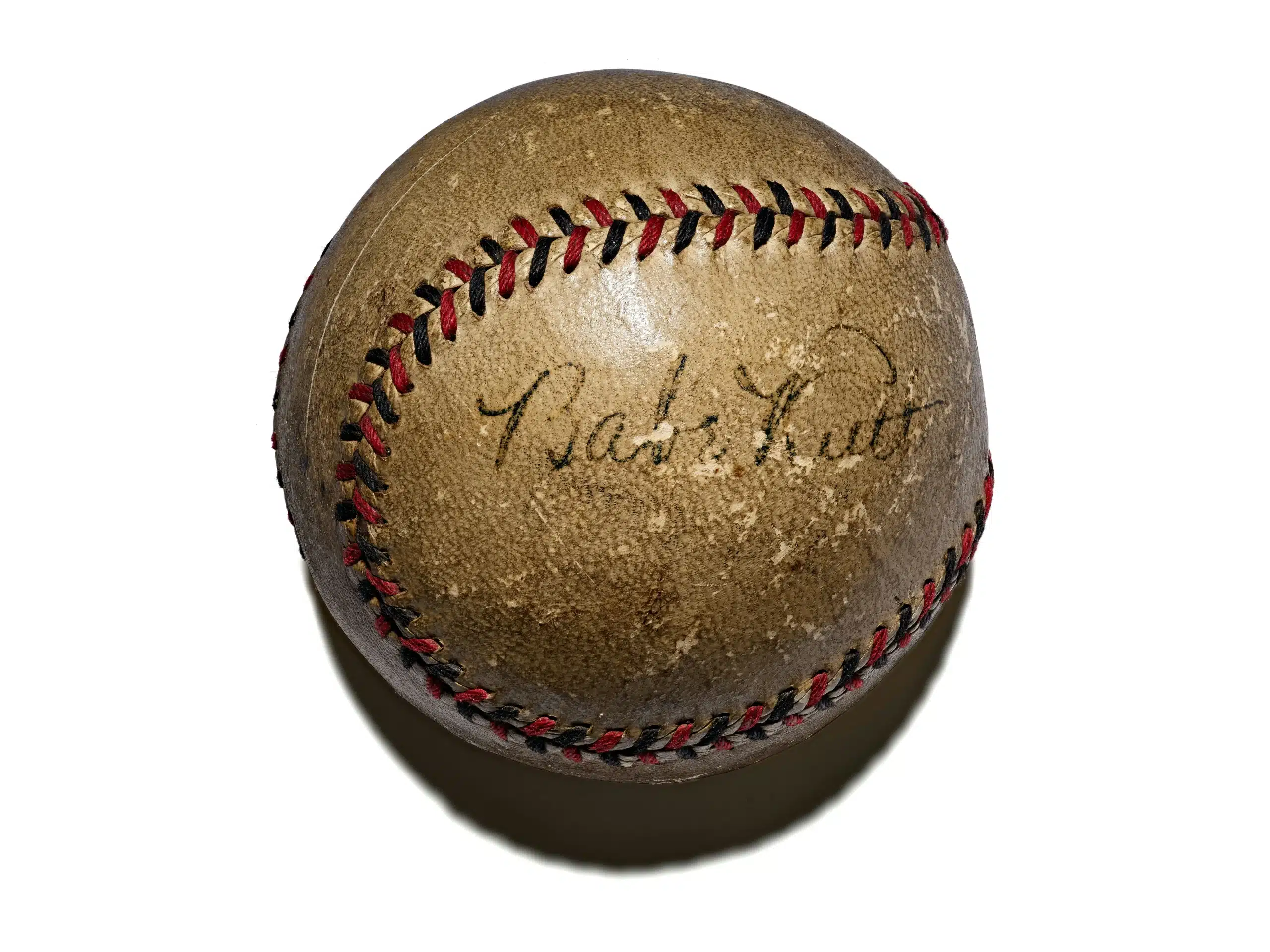
PSA autograph authenticators compare the signature against a database of known genuine autographs. They look at characteristics such as:
- Where the autograph appears: Some players had a habit of signing only certain areas of a photo, baseball or other item.
- The ink used: Some players were known to sign using a certain type or color of ink.
- Tilt and slant: Does the signature sit and angle the way known genuine examples do?
- Flow: Does the autograph move naturally from one letter or stroke to the next?
- Pen pressure: Is the pressure throughout the signature consistent with known examples?
- Height and proportions: Are the letters and overall signature shaped and sized as expected?
These details matter because an authenticator can’t simply rely on the story of where an autograph came from. Provenance can provide useful context, but people can be mistaken or dishonest about an item’s history. Ultimately, the authenticator has to evaluate the autograph based on the signature itself and their expertise.
What a Certificate of Authenticity Includes
If PSA determines that your collectible is authentic, it will issue a Certificate of Authenticity (COA). The COA includes:
- The signer’s name: Identifies the person whose autograph has been authenticated.
- A unique certification number: This allows a potential buyer or owner to verify that the autograph has been authenticated and appears in PSA’s database.
- Confirmation of authenticity: The COA documents PSA’s determination that the autograph is genuine.
- No monetary value: A COA does not tell you what the item is worth. Nor should it. The autograph may remain genuine, but the value of the collectible can rise or fall over time.
That last distinction is important: authentication establishes whether the autograph is genuine; an appraisal establishes its value.
What a Cert Number Does and Does Not Tell You
A PSA certification number allows a potential buyer to verify the item’s authentication record in PSA’s database. In rare cases, it may also alert you that an item has been reported stolen.
In rare cases, if PSA is notified of a theft and a police report has been filed, it may deactivate the certification number in its database. However, a valid cert number should not be treated as a guarantee that an item has not been stolen.
A certification number also does not tell you the item’s current market value. Authentication remains the same, but value can change significantly over time. A current appraisal is the only accurate way to determine a sports card’s or memorabilia item’s value.
What PSA Grading Is
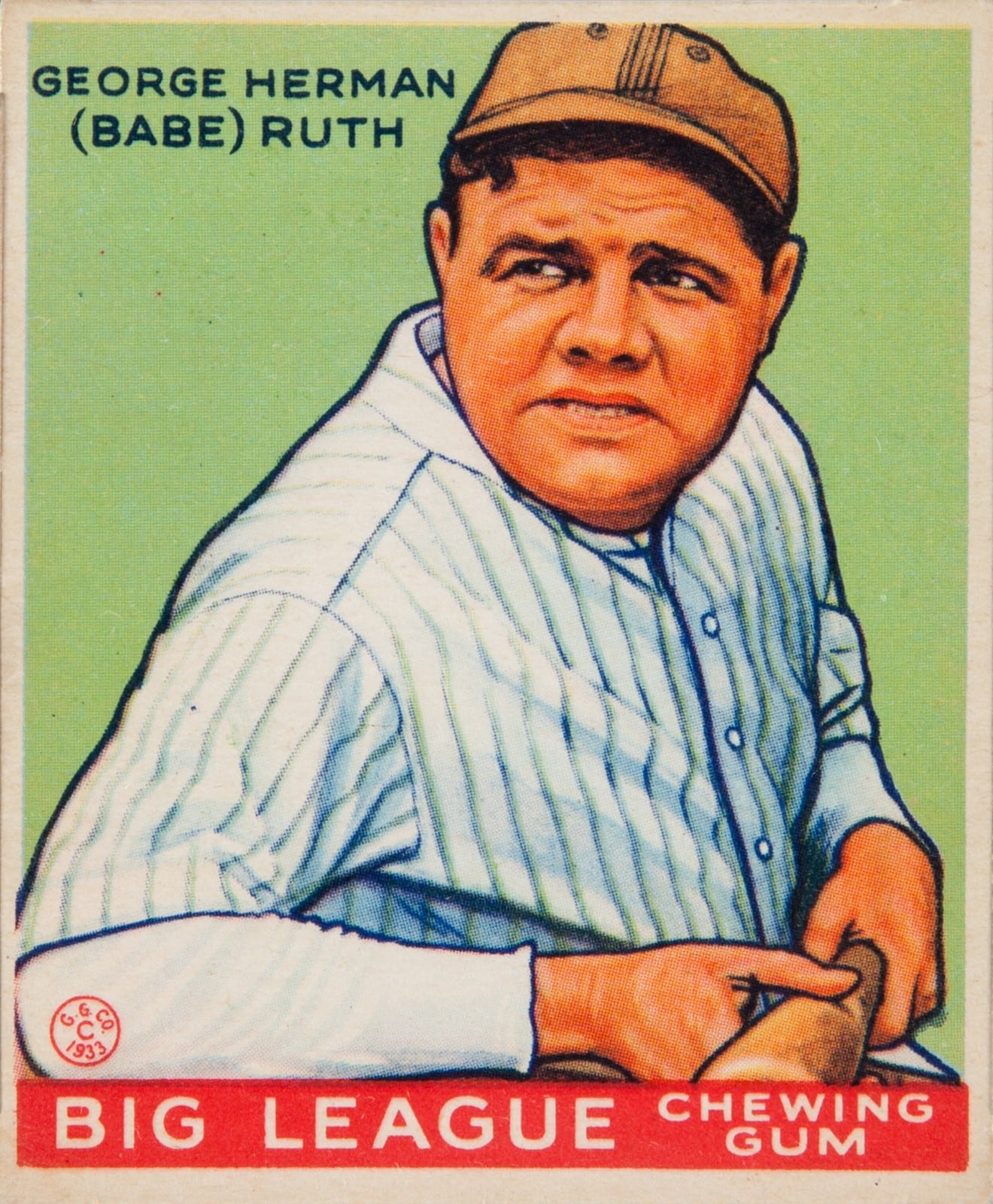
PSA grading starts with authentication. Before assigning a grade, PSA reviews the card to confirm it is genuine rather than a reprint or forgery and checks for alterations such as trimming. Cards may be trimmed to sharpen worn corners or improve their appearance.
Once PSA determines the card is authentic and eligible for grading, a PSA grader evaluates its condition using PSA’s technical grading standards. Cards are graded on a scale of 1 to 10, with PSA 10 representing Gem Mint condition. After grading, PSA encapsulates the card in a protective holder with its grade and unique certification number.
The Four Condition Factors
Four of the primary factors PSA graders examine are:
- Corners: Four sharp corners are what every collector hopes to see. If three corners are sharp but one is dull or damaged, the card will not receive a PSA 10.
- Centering: A card can have four sharp corners and still receive a lower grade because of poor centering. This is especially common with vintage cards, when printing and cutting were far less precise. A card may be noticeably off-center from top to bottom or left to right.
- Edges: Edge wear is common, especially on cards that were handled, shuffled or stored loose in a shoebox. It’s something many collectors overlook, but PSA graders don’t.
- Surface: Graders examine the front and back of the card for issues such as fingerprints, creases, stains, print defects and other surface flaws.
There’s much more that goes into determining a card’s grade. For a closer look at the 1–10 grading scale, condition factors and which cards may be worth submitting, read my guide to PSA Grading Explained: What Every Collector Should Know.
What the Slab Adds Beyond the Number
When PSA grades a card, it is encapsulated in a slab, the hard, protective plastic holder that displays the card’s grade and certification number.
The slab does more than display the grade. It protects the card from handling and further wear, so you no longer have to worry about a raw card sloshing around in a shoebox and getting damaged. It also permanently ties the card to its assigned grade, meaning you generally won’t need to have it graded again.
Some collectors put off grading because they aren’t ready to sell and don’t want to pay the fee. But grading can still make sense for cards you plan to keep, especially if you want to protect their current condition. PSA grading fees also change over time, so waiting may mean paying more later.
Side-by-Side: Authentication vs Grading
| PSA Authentication | PSA Grading | |
|---|---|---|
| Purpose | Determines whether an item is genuine/authentic. | Evaluates an authentic item’s condition and assigns a grade. |
| Output | An opinion of authenticity; depending on the service/item, the item may be encapsulated and labeled as authentic without a numerical grade. | A numerical grade, typically on PSA’s 1–10 scale, along with authentication and encapsulation when applicable. |
| Common Item Types | Autographs, memorabilia, tickets, photographs, unopened packs and other collectibles for which authenticity may be the primary concern. | Primarily trading cards, plus certain tickets, packs and other eligible collectibles. |
| What It Does Not Do | Does not necessarily evaluate or assign a numerical grade for condition. | A grade is not an appraisal and does not determine the item’s monetary value. |
Working With a PSA Appraiser
The role of a PSA appraiser is completely different from that of a PSA grader or authenticator. Grading evaluates a card’s condition, authentication determines whether an autograph is genuine, and appraisal determines what the item is worth in the current market.
As PSA’s Lead Appraiser, I bring more than 30 years of experience in the sports collectibles hobby to that process. I am also an ISA-accredited, USPAP-compliant appraiser specializing exclusively in sports cards and memorabilia. I evaluate thousands of authenticated autographs, graded cards, and collectibles to determine value based on factors including condition, rarity, market demand, and comparable sales.
If you have a sports card or piece of memorabilia and aren’t sure what it’s worth, contact Baseball in the Attic to start the appraisal process.
Frequently Asked Questions about PSA Authentication and Grading
Should I authenticate an autograph or get the card graded?
Not every item needs or should be graded or authenticated. These services come with a financial cost. If you are unsure what to do, email or call a professional appraiser, like Baseball in the Attic.
Do I need PSA authentication before an appraisal?
No. An item does not need to be authenticated by PSA before it can be professionally appraised. An appraiser can evaluate both authenticated and unauthenticated items and determine whether authentication may be an appropriate next step.
Is a PSA certificate of authenticity the same as an appraisal?
No. A PSA Certificate of Authenticity (COA) confirms that an autograph is genuine, but it does not assign a monetary value to the item. A professional appraisal goes a step further by evaluating factors such as authenticity, condition, rarity, provenance and current market demand to determine what the item is worth at a specific point in time.
Does a PSA-graded card still need a professional appraisal?
It depends on your objective. If you have no formal reason to know the card’s value, you don’t need a professional appraisal. If you do need the value to sell it at a fair price or for insurance, donation, divorce, or estate planning, then yes, you need a professional appraisal.
How do PSA, JSA and Beckett authentication differ?
All three companies are widely respected and accepted by major auction houses and eBay. However, none of them will tell you the value of your sports card or memorabilia item. Only a professional appraisal can determine an item’s value.